
Showing all 18 results
Turkish Cheese
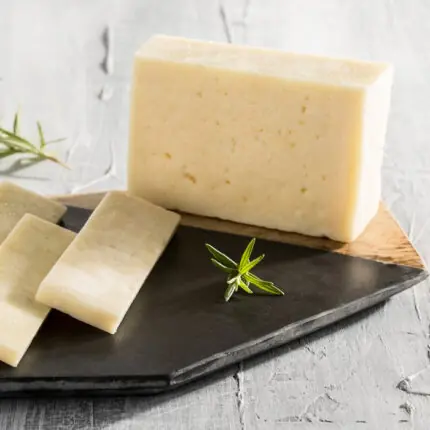
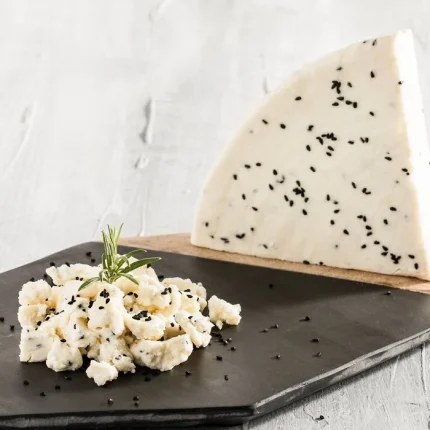
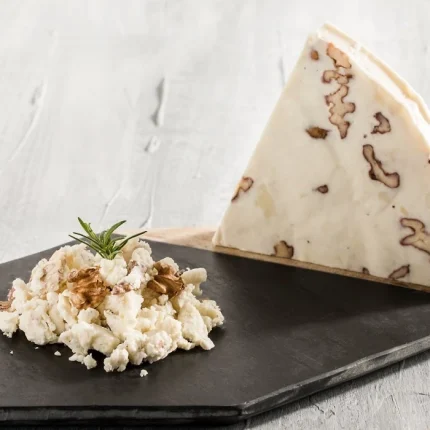
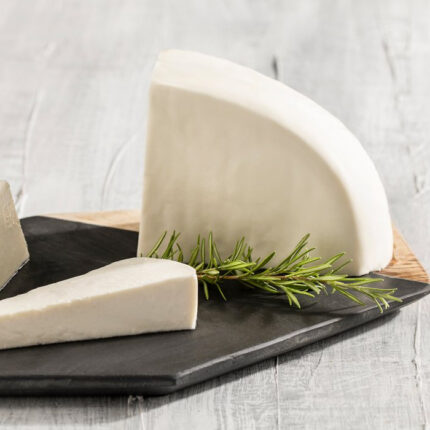
Explore Turkish cheese for breakfast, meze, sandwiches, pastries and everyday table use. Türkiye has a broad cheese culture shaped by region, milk source and production style, so compare each cheese by texture, milk type, salt level and intended use rather than treating them as one uniform style.

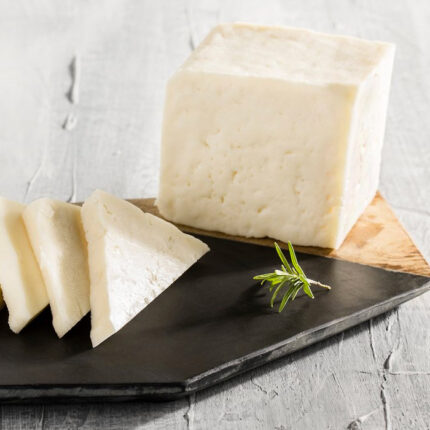
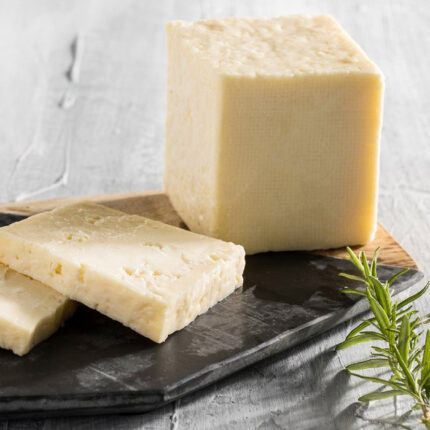
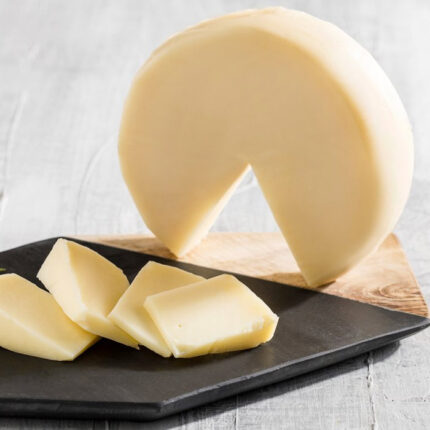
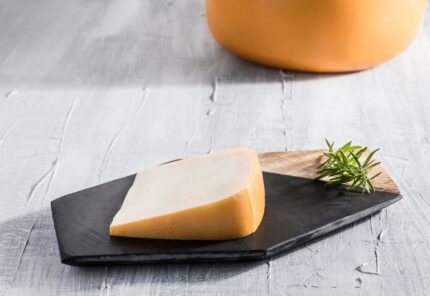
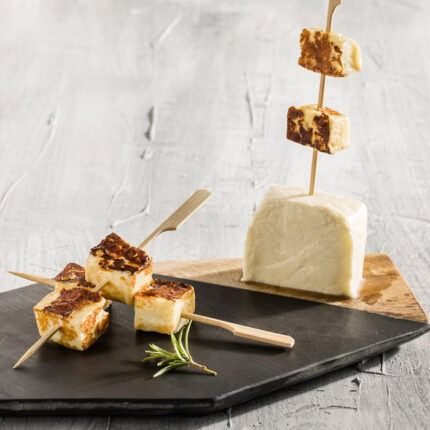
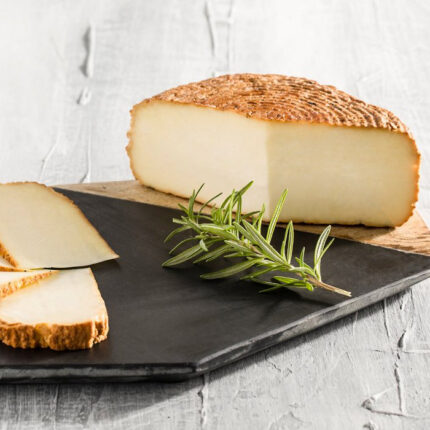
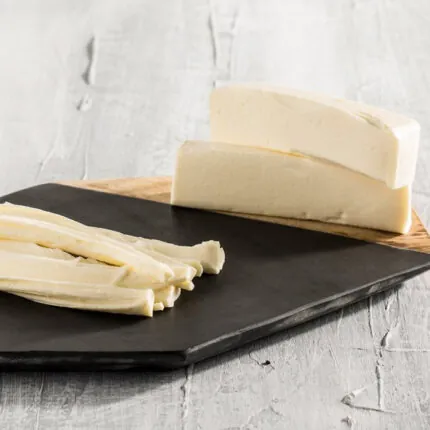
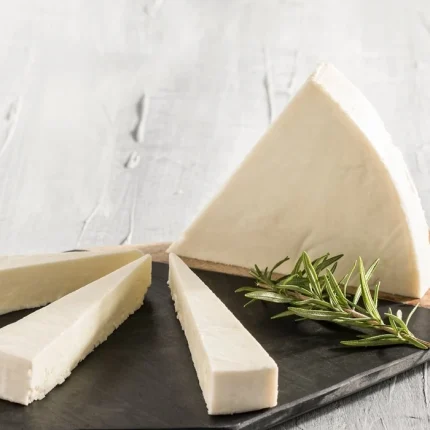
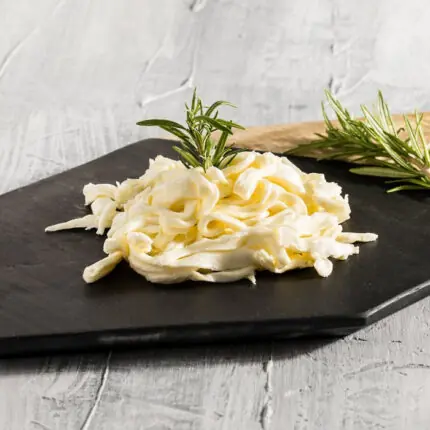
White cheese is only the beginning
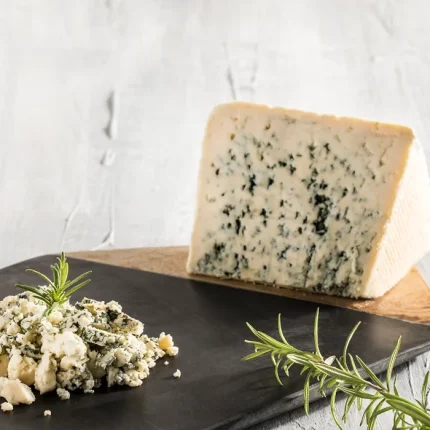
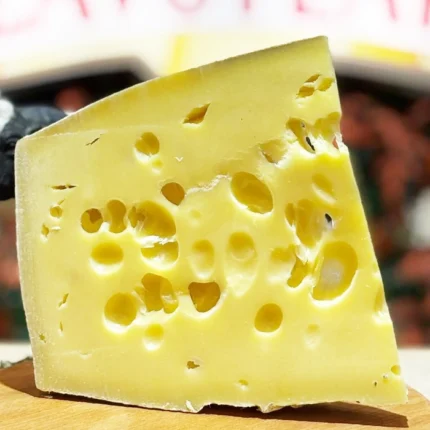
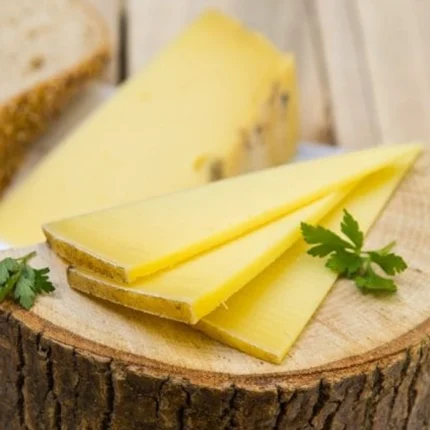
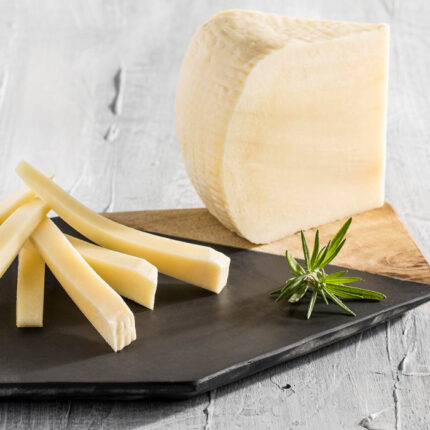
White cheeses are a major part of the Turkish breakfast table, but their character can vary from soft and mild to firmer, saltier and more mature. Ezine cheese from the Çanakkale area is one of the best-known regional examples and is traditionally associated with milk from sheep, goats and cows. Beyond white cheese, Turkish cheese culture also includes kaşar, tulum, herbed cheeses and regional specialties.
How Turkish cheese is served
Cheese appears throughout the day in Türkiye. It may be eaten simply with olives, tomatoes, bread and tea at breakfast, served as part of a meze table, paired with fruit in summer, or used in börek, pide and other savoury pastries. The best choice therefore depends as much on how you plan to serve it as on flavour alone.
What to compare when buying cheese online
Check the milk source, texture, salt level, maturity, pack format and storage requirements. A fresh cheese intended for breakfast will behave differently from a firmer cheese for slicing, grating or baking. Product pages should also be checked for allergens and refrigeration instructions.
International cheese orders
Cheese is temperature-sensitive and dairy imports are regulated differently around the world. If you are ordering from Türkiye, confirm that refrigerated or suitable delivery is available for your destination before purchasing. For a related breakfast or pantry category, explore Turkish Pastirma & Sucuk.
Frequently asked questions
What are the most common types of Turkish cheese?
Well-known families include white cheese, Ezine cheese, kaşar, tulum and regional herbed or aged cheeses. Availability varies by season and producer.
Is Turkish white cheese the same as feta?
They are related brined-cheese styles, but Turkish white cheeses vary widely by region, milk source, texture and salt level, so they should not all be treated as identical to feta.
How is Turkish cheese usually served?
It is common at breakfast with bread, olives and vegetables, but it is also used in meze, börek, pide, salads and cooked dishes.
Can Turkish cheese be shipped internationally?
It depends on refrigeration, courier service and the destination country’s dairy-import rules. Check the current delivery conditions for the exact cheese.
 Salt & Cooking Essentials