
Showing all 2 results
Turkish Meat & Meatball Spices
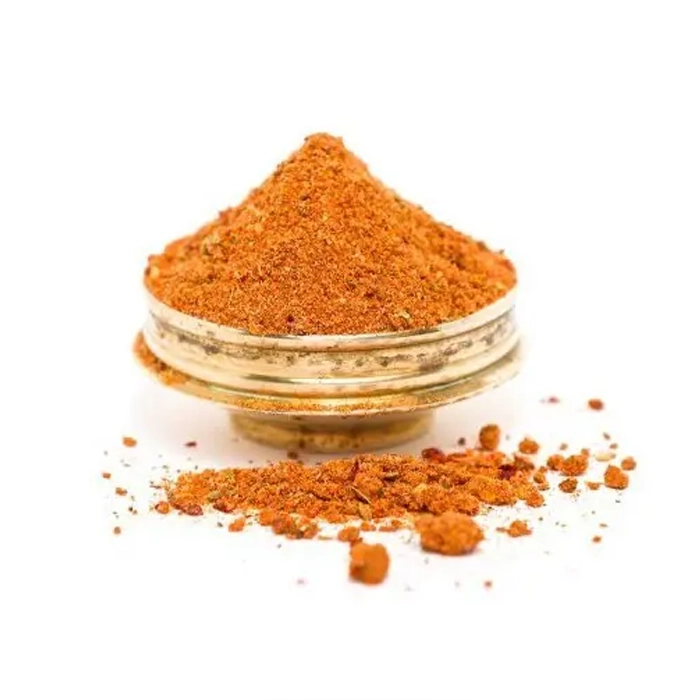
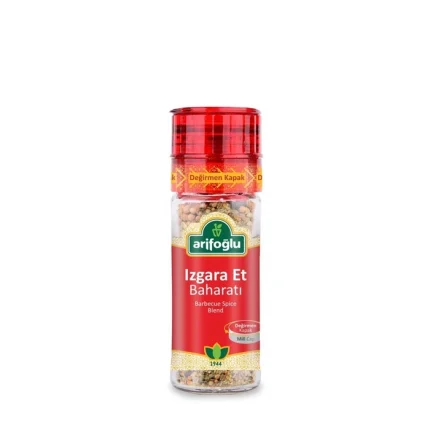
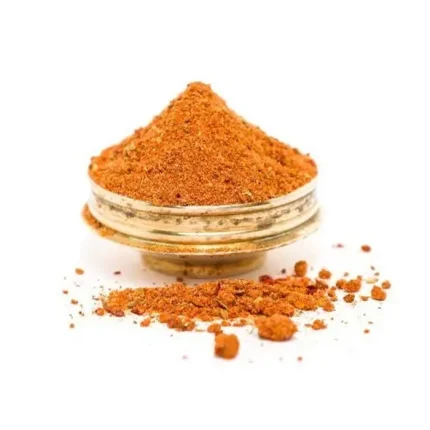
Explore Turkish seasoning blends made for köfte, grilled meat and kebab-style dishes. These mixes are designed to bring several familiar savoury notes together—often pepper, cumin, herbs, garlic and other aromatics—without measuring each spice separately.
Köfte seasoning depends on the recipe
There is no single mandatory köfte spice formula. Regional and household recipes vary, with cumin, black pepper, red pepper, oregano, garlic and other seasonings appearing in different proportions.
Use blends as a base, not a rigid rule
Mix the seasoning into minced meat or use it on grilled cuts according to the package directions, then adjust salt and heat to your taste. Fresh onion, parsley or breadcrumbs may still be added separately depending on the recipe.
For köfte, mix the seasoning evenly through the meat and allow a short resting time if the recipe calls for it. For grilled cuts, apply more lightly so the spice blend supports rather than masks the flavour of the meat.
Check salt before adding more
Some meat blends include salt while others are mainly spices. Read the ingredient order before seasoning the meat separately, especially when using a concentrated grinder blend. For related seasonings or cooking staples, see Turkish Spices & Cooking Ingredients and Turkish Pastirma & Sucuk.
Frequently asked questions
What spices are common in Turkish meatballs?
Cumin, black pepper and red pepper are common, with herbs, garlic and other seasonings varying by recipe.
Is köfte seasoning the same as kebab seasoning?
Not always. They can overlap, but blends may be formulated for different meat textures and regional styles.
When should I add meatball seasoning?
Usually during mixing before shaping the meatballs, following the recipe or package directions.
Can these spice blends be used on vegetables?
Yes, many savoury blends also work on roasted vegetables or potatoes if the flavour profile suits you.
 Salt & Cooking Essentials