
Showing all 6 results
Turkish Spreads & Ezme
Explore spreadable Turkish pantry foods, from savoury olive pastes to hazelnut and pistachio ezme. In Turkish, ezme broadly refers to something crushed or mashed, while restaurant-style acılı ezme is a specific spicy tomato-and-pepper meze. This shop category is wider and includes several kinds of spread.
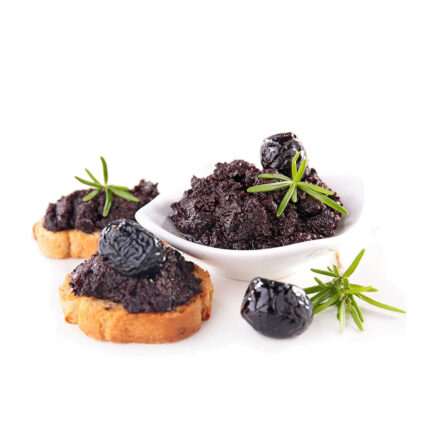
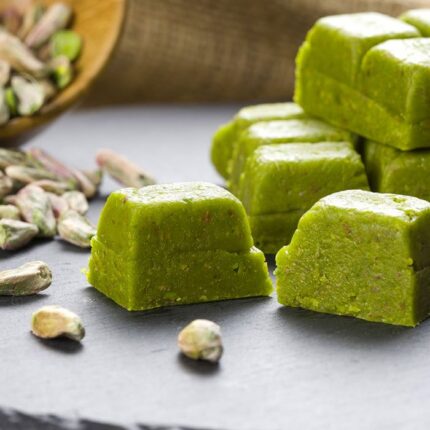
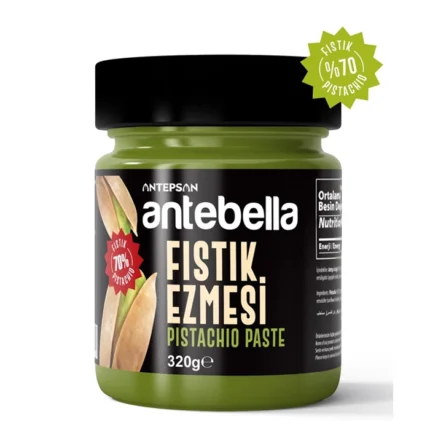
Savoury and sweet spreads belong to different uses
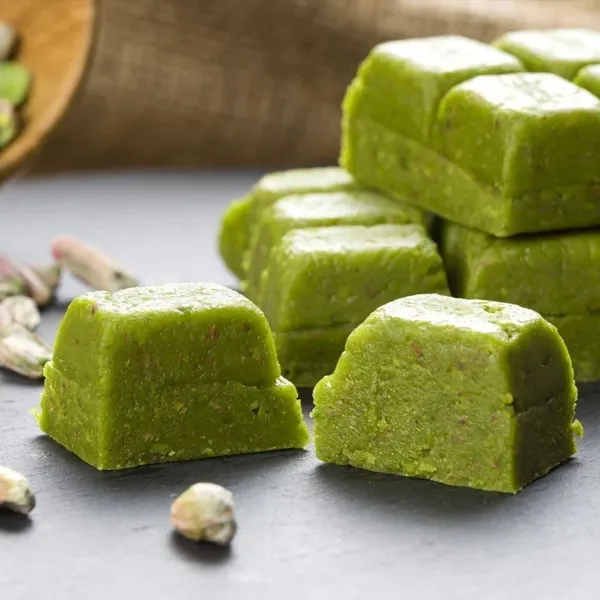
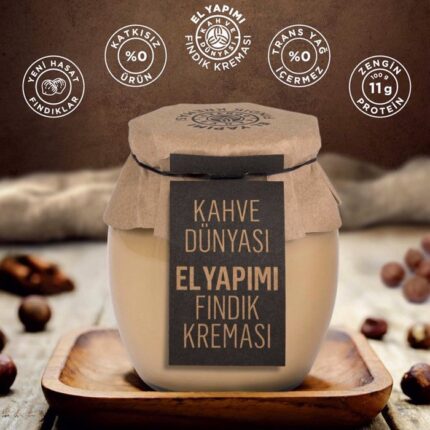
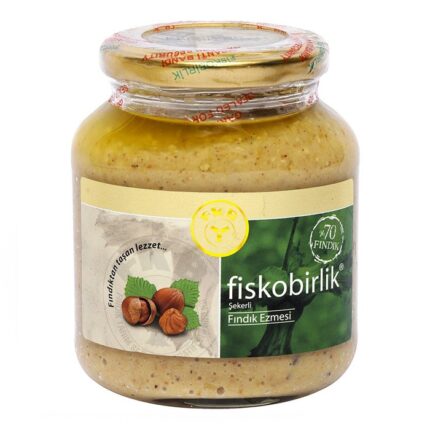
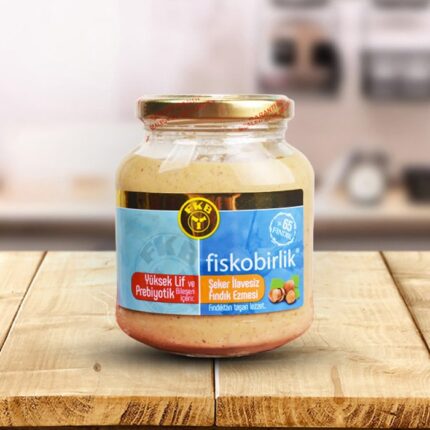
Olive paste works naturally with bread, breakfast and meze, while nut spreads are richer and may be sweetened or unsweetened. Pistachio and hazelnut pastes can be used on bread, in desserts or as a filling.
What 'ezme' can mean
In everyday food language, ezme can describe a mashed or ground preparation. That is why you may see the word attached to nut or olive spreads as well as the well-known spicy meze. Check the base ingredient to understand which style you are buying.
What to compare
Look at the percentage of olive or nuts, added sugar or salt, oil content, texture and allergens. A pure nut paste is quite different from a sweetened cream even when both are called a spread. For a related breakfast or pantry category, explore Turkish Breakfast & Pantry, Turkish Spices & Cooking Ingredients and Turkish Olives.
Frequently asked questions
What is Turkish ezme?
The word ezme means a crushed or mashed preparation. In restaurants it often refers to a spicy tomato-pepper meze, but retail spreads can also use the term for olive or nut pastes.
What is Turkish olive paste used for?
It is commonly spread on bread or served with breakfast and meze.
Are hazelnut and pistachio spreads always sweetened?
No. Some are pure or lightly sweetened, while others are confectionery-style creams. Check the ingredients.
What allergens are common in Turkish spreads?
Tree nuts and sesame can be relevant depending on the product, and some sweet spreads also contain milk.
 Salt & Cooking Essentials