
Showing all 6 results
Turkish Decorative Wooden Accessories
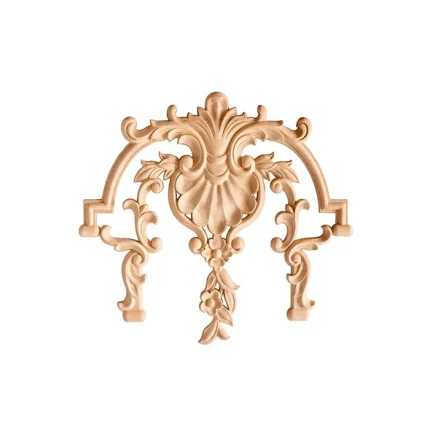
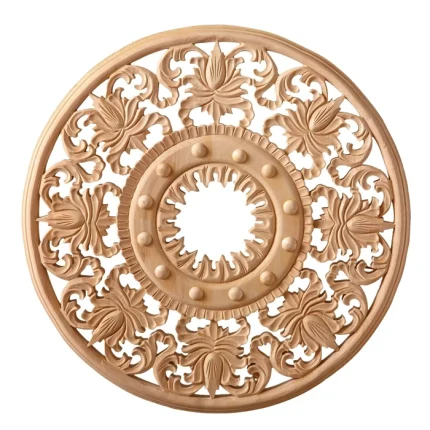
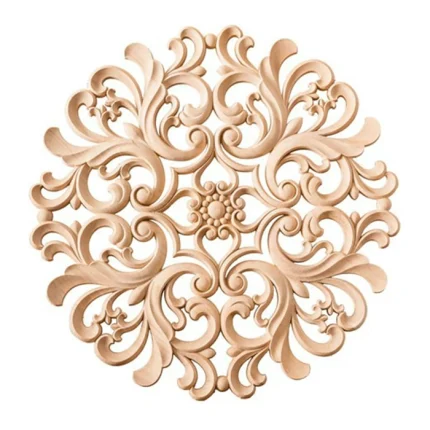
Turkish decorative wooden accessories can range from simple paintable craft forms to more elaborate woodwork. Türkiye also has a documented history of carving and inlay, but a modern wooden accessory should not be described as carved, antique or traditionally handmade unless the product itself supports that claim. The current category is best evaluated by shape, dimensions, wood or composite material, surface preparation and how the piece is intended to be decorated or displayed.
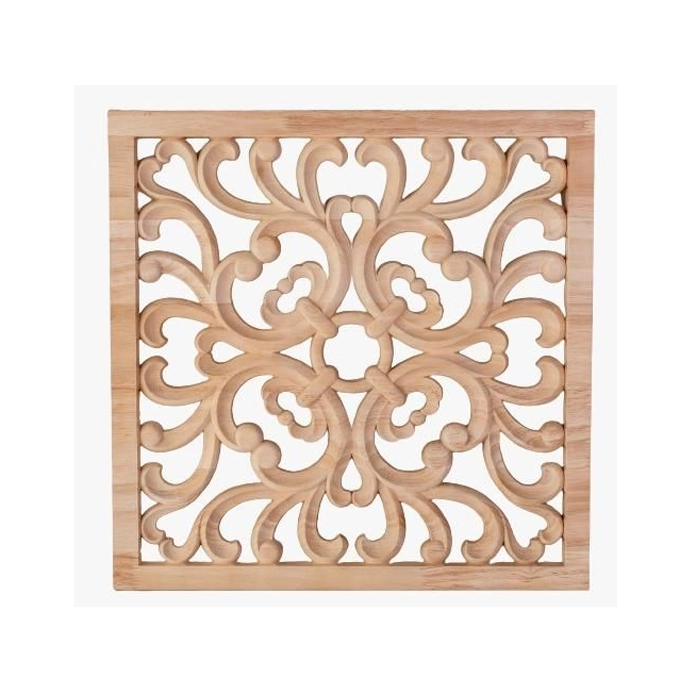
Traditional woodwork and contemporary craft forms
Anatolian wood-carving traditions developed strongly from the Seljuk period and continued into Ottoman decorative arts, using geometric, vegetal and calligraphic ornament. Contemporary craft accessories may borrow decorative ideas from that heritage while using simpler cut, shaped or paintable wooden components.
Paintable surfaces and finishing
If the item is intended to be painted or customised, check whether the surface is raw, sealed or pre-finished. Raw wood may need light sanding or primer depending on the paint system, while coated surfaces can require a different preparation method. Follow any material-specific guidance in the listing.
Dimensions and project compatibility
For rings, frames or appliqué-style pieces, internal and external dimensions both matter. Check thickness as well as diameter if the piece will be combined with textile, embroidery, wall art or another craft project.
Explore related Turkish handicrafts
For mixed small decorative objects, browse Turkish Handicraft Gifts & Decorative Trinkets. For glazed ceramic decoration, see Turkish Ceramic Arts & Çini, or return to Turkish Antique Crafts & Handicrafts.
Frequently asked questions
Are all Turkish wooden accessories hand-carved?
No. Some may be cut, shaped, painted or otherwise produced. A hand-carved claim should come from the specific product description.
Can paintable wooden accessories be painted directly?
It depends on the surface finish. Raw wood may benefit from sanding or primer, while sealed or coated surfaces can need different preparation.
What measurements matter for wooden craft rings or frames?
Check external diameter, internal opening, thickness and depth, especially if the piece must fit textile or another component.
What is the historical context of Turkish wood carving?
Wood carving developed strongly in Anatolia during the Seljuk period and continued into Ottoman decorative arts with geometric, vegetal and calligraphic ornament.
 Salt & Cooking Essentials