
Showing all 7 results
Green and black olives are about more than colour
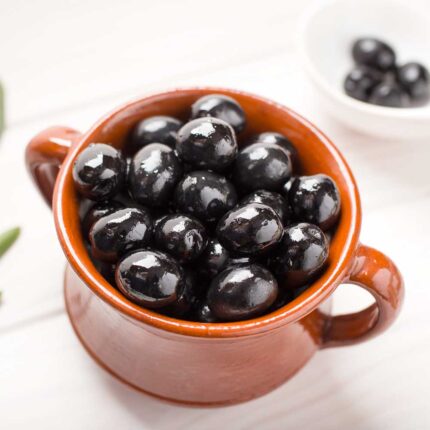
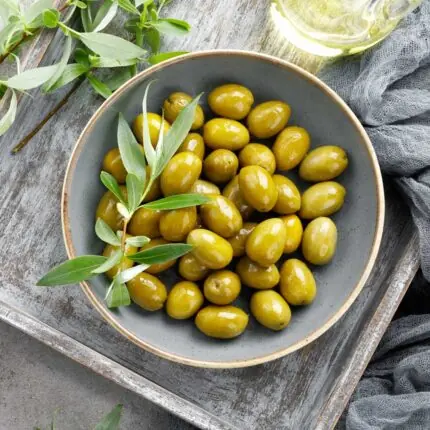
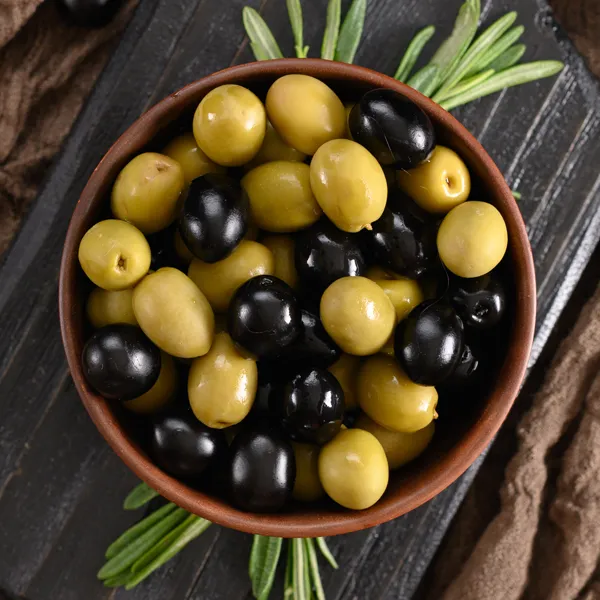
Colour reflects variety and ripeness as well as processing. Green olives are harvested earlier, while black styles are more mature, but curing method, brine and variety can affect flavour just as much.
Common Turkish olive styles
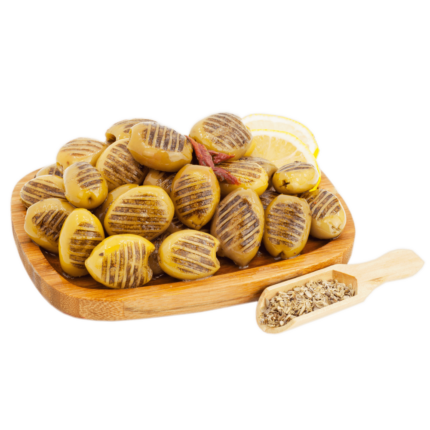
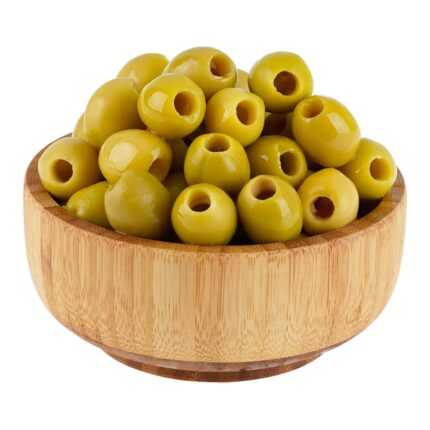
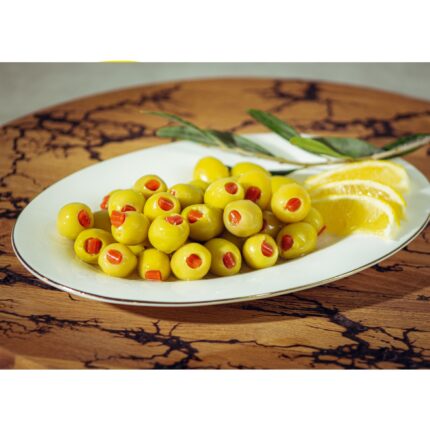
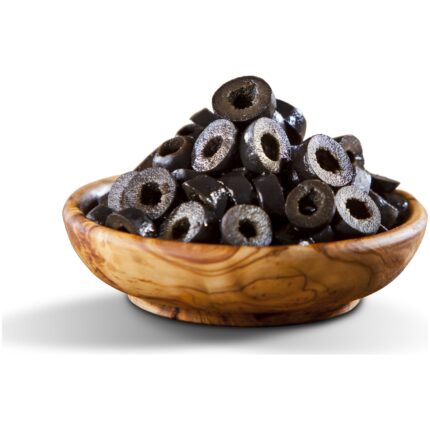
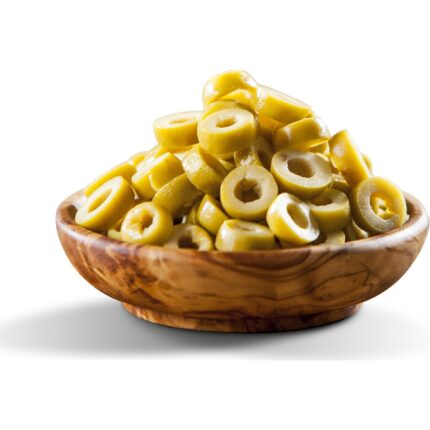
Gemlik is known for dark table olives with a rich flavour, while larger Domat olives are often used green and can be well suited to stuffing. Sliced, pitted, pepper-stuffed and grilled formats offer convenience or a stronger prepared flavour.
How olives fit the Turkish table
Olives are served at breakfast with cheese, bread and tea, but they also belong in meze, salads, breads and cooked dishes. A small bowl of mixed green and black olives is one of the easiest ways to create a Turkish breakfast feel.
Choosing olives online
Check the variety where stated, pit or pitted format, brine, salt level, stuffing, net and drained weight and storage after opening. For a related breakfast or pantry category, explore Turkish Olives Oil and Turkish Spread (Ezme).
Frequently asked questions
Which olives are common in Türkiye?
Gemlik, Domat and other regional varieties are common, with both green and black table-olive styles.
What is the difference between green and black olives?
Green olives are generally harvested earlier, while black olives are more mature; curing method also strongly affects flavour.
How are Turkish olives served at breakfast?
Usually in small dishes alongside cheese, bread, tomatoes, cucumbers, eggs and tea.
Should olives be refrigerated after opening?
Many packaged olives should be refrigerated after opening, but follow the label and keep them covered by brine if instructed.
 Salt & Cooking Essentials