
Showing all 2 results
Turkish Grains, Legumes & Local Foods
Browse simple Turkish grains, legumes and local pantry foods for breakfast, soups, pilaf and everyday cooking. The current range can be narrow, so this page focuses on the ingredient itself—grain or legume type, processing, pack size and preparation—rather than forcing unrelated foods into one description.
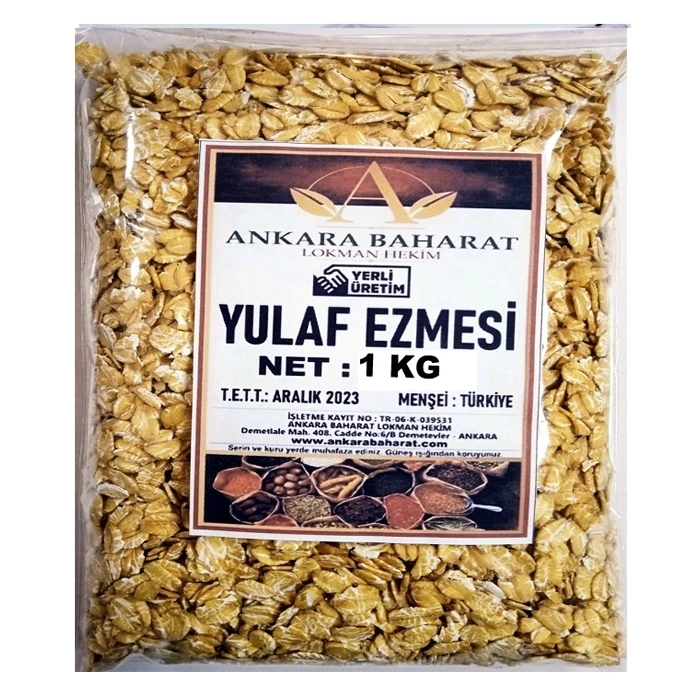
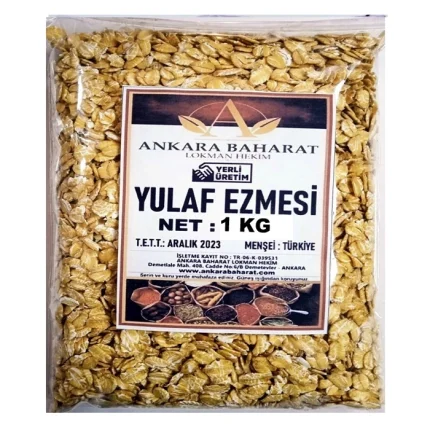
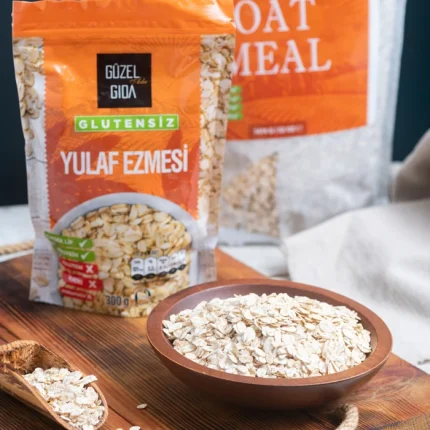
Grains and legumes in Turkish home cooking
Lentils, chickpeas, beans, bulgur and other grains or pulses are central to many Turkish soups, pilafs and home-style dishes. Oats have a different use, appearing more often in breakfast bowls, baking and modern pantry recipes, but they belong to the same practical dry-goods shelf.
Whole, rolled, milled or pre-cooked
How an ingredient is processed changes how you use it. Rolled oats cook differently from whole grains; dry legumes require soaking or longer cooking, while pre-cooked legumes are ready much sooner. Check the format before deciding by price or package weight.
What to check on the label
Review grain or legume type, processing method, allergen statements, net weight and cooking instructions. If gluten avoidance matters, rely on an explicit gluten-free statement rather than assuming a grain product is free from cross-contact. For related seasonings or cooking staples, see Turkish Spices & Cooking Ingredients and Turkish Foods & Groceries.
Frequently asked questions
Which legumes are common in Turkish cooking?
Chickpeas, lentils, white beans and other pulses are widely used in soups, stews, salads and pilaf-style dishes.
How are oats used in this category?
Oats are practical for breakfast, baking and porridge-style recipes and may appear as standard or gluten-free-labelled products.
Are all grain products gluten-free?
No. Check the label carefully, especially for oats and products packed or processed around wheat.
Can dry grains and legumes be ordered internationally?
Often yes, although agricultural and food-import rules vary by destination.
 Salt & Cooking Essentials