
Showing all 7 results
How leblebi is different from ordinary chickpeas
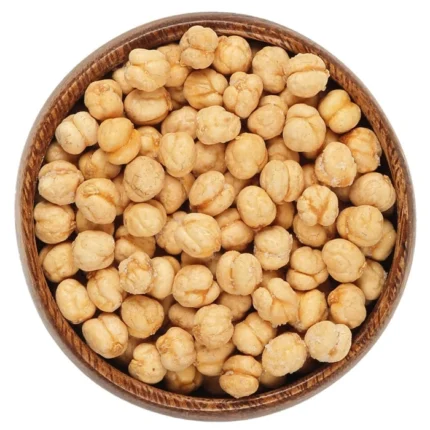
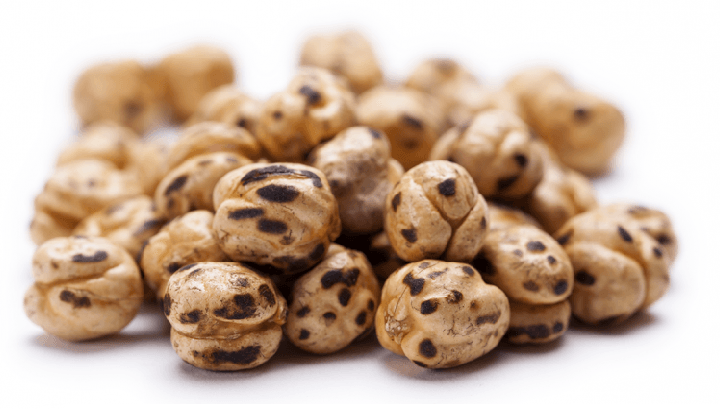
Leblebi is made by roasting chickpeas through a process that changes the texture from hard dried legume to a crisp, ready-to-eat snack. The exact roasting and resting stages vary by producer and style.
Yellow, white and flavoured leblebi
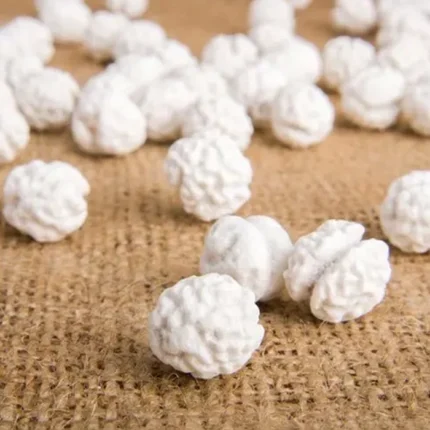
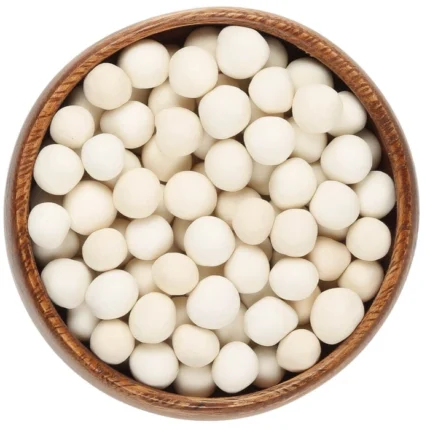
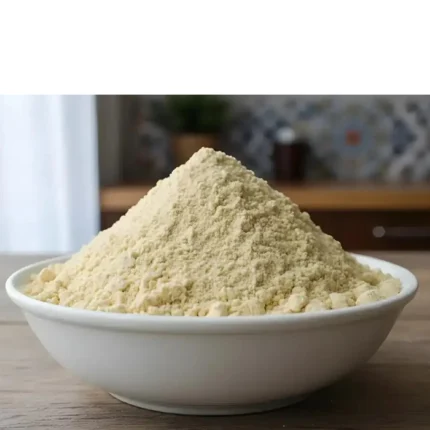
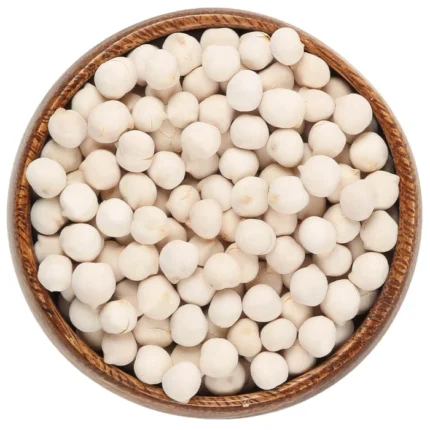
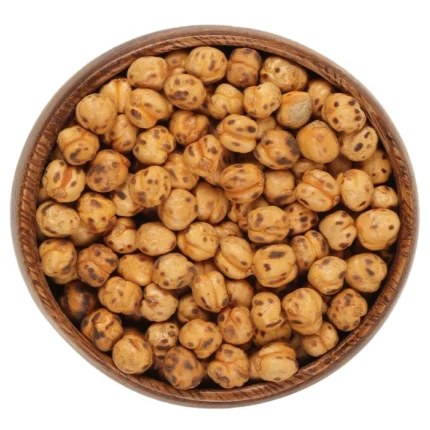
Yellow leblebi is the familiar golden roasted style, while white leblebi is lighter in colour and texture. Salted, sweet-coated or flavoured versions move the snack in different directions, and leblebi flour or powder can be used in recipes.
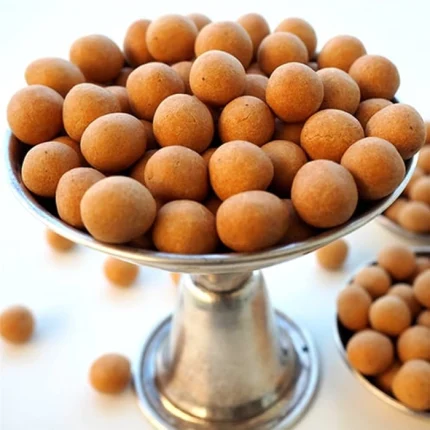
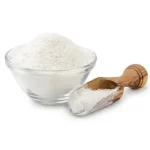
Powdered leblebi has a different use from snack chickpeas: it can be eaten as a nostalgic dry snack or incorporated into some recipes. Sweet-coated leblebi, meanwhile, belongs closer to confectionery than to a plain roasted-legume snack.
How to serve and store it
Eat leblebi on its own, add it to a mixed nut-and-snack bowl, or pair with tea. Keep it sealed and dry because humidity quickly softens the crunch. For a related nut, dried-fruit or snack category, explore Dried Nuts, Snacks, Crisps and Croquants and Turkish Breakfast & Pantry.
Frequently asked questions
What is leblebi in English?
Leblebi is roasted chickpea, prepared as a dry, crunchy snack.
What is the difference between yellow and white leblebi?
They are processed and roasted differently, producing distinct colour, texture and flavour.
Which Turkish city is famous for leblebi?
Çorum is particularly well known for leblebi.
Is leblebi a nut?
No. It is made from chickpeas, which are legumes.
 Salt & Cooking Essentials