
Showing all 7 results
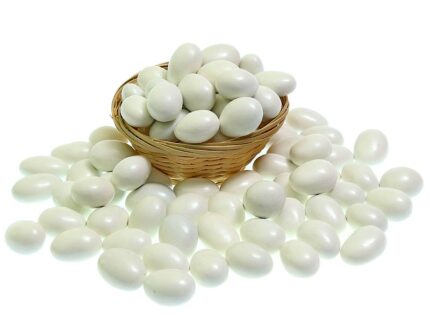
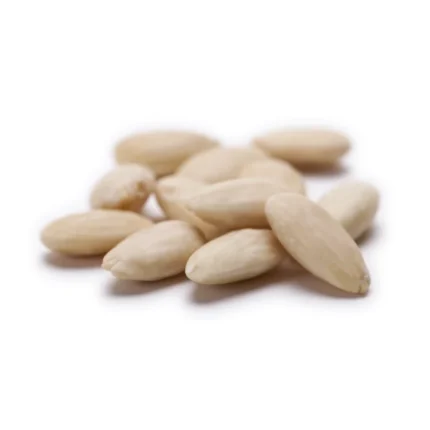
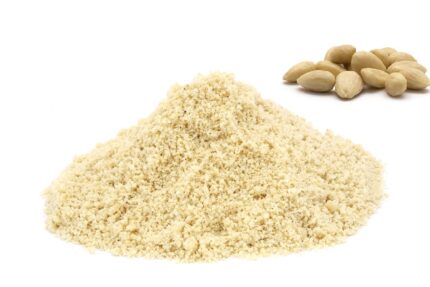
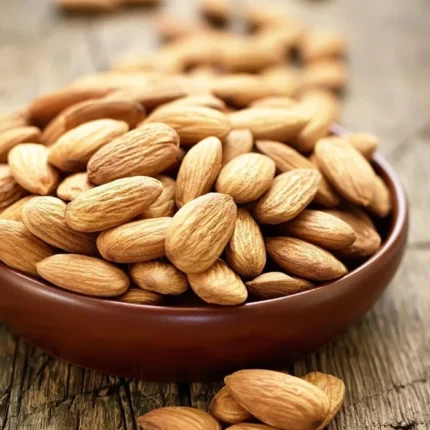
Raw and roasted almonds
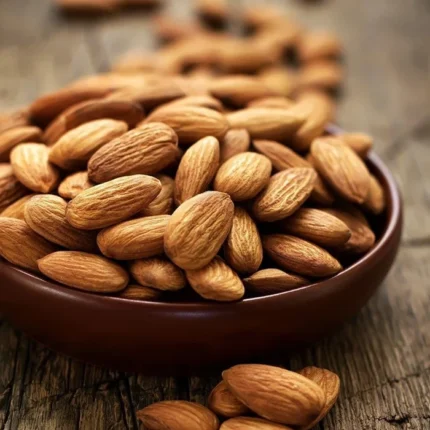
Raw almonds keep a mild flavour and firm bite that works well in baking, granola and recipes. Roasting deepens the nut aroma and gives a crisper texture, making roasted almonds convenient for direct snacking.
If you are buying for pastry or dessert work, raw or blanched almonds give you more control over roasting and sweetness. For direct snacking, roasted almonds are usually the more convenient choice because the flavour is already developed.
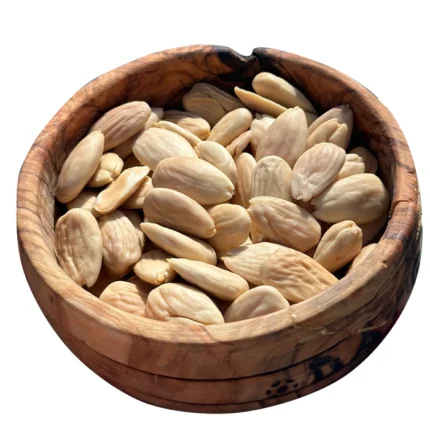
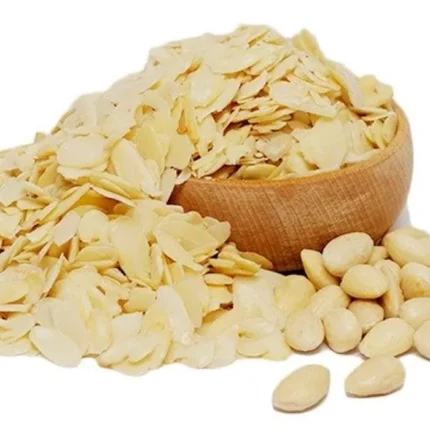
Peeled, skinless and sliced
Blanched or skinless almonds have a softer-looking finish and are useful where the brown skin would affect texture or appearance. Sliced almonds are ready for topping pastries, salads and desserts.
Buying almonds online
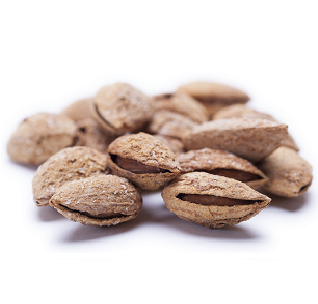
Compare raw or roasted status, salt, skin-on or skinless preparation, slice or whole-kernel format and net weight. Store tightly sealed to protect the natural oils from stale flavours. For a related nut, dried-fruit or snack category, explore Dried Nuts, Turkish Mixed Dried Nuts and Dried Fruits.
Frequently asked questions
What is the difference between raw and roasted almonds?
Roasting intensifies flavour and crunch, while raw almonds remain milder and more versatile for recipes.
What are peeled almonds used for?
They are useful in baking, desserts and recipes where a smooth texture or pale appearance is preferred.
Are sliced almonds ready to use?
Yes, they are convenient for topping pastries, cereals, salads and desserts.
How should almonds be stored?
Keep them airtight in a cool, dry place and avoid prolonged heat exposure.
 Salt & Cooking Essentials