
Showing the single result
Turkish Apricot Kernels
Explore apricot kernels sold as a niche dried-nut-style product. They resemble small almonds in appearance, but apricot kernels are a different seed and should be selected carefully because sweet and bitter varieties can have very different safety profiles.
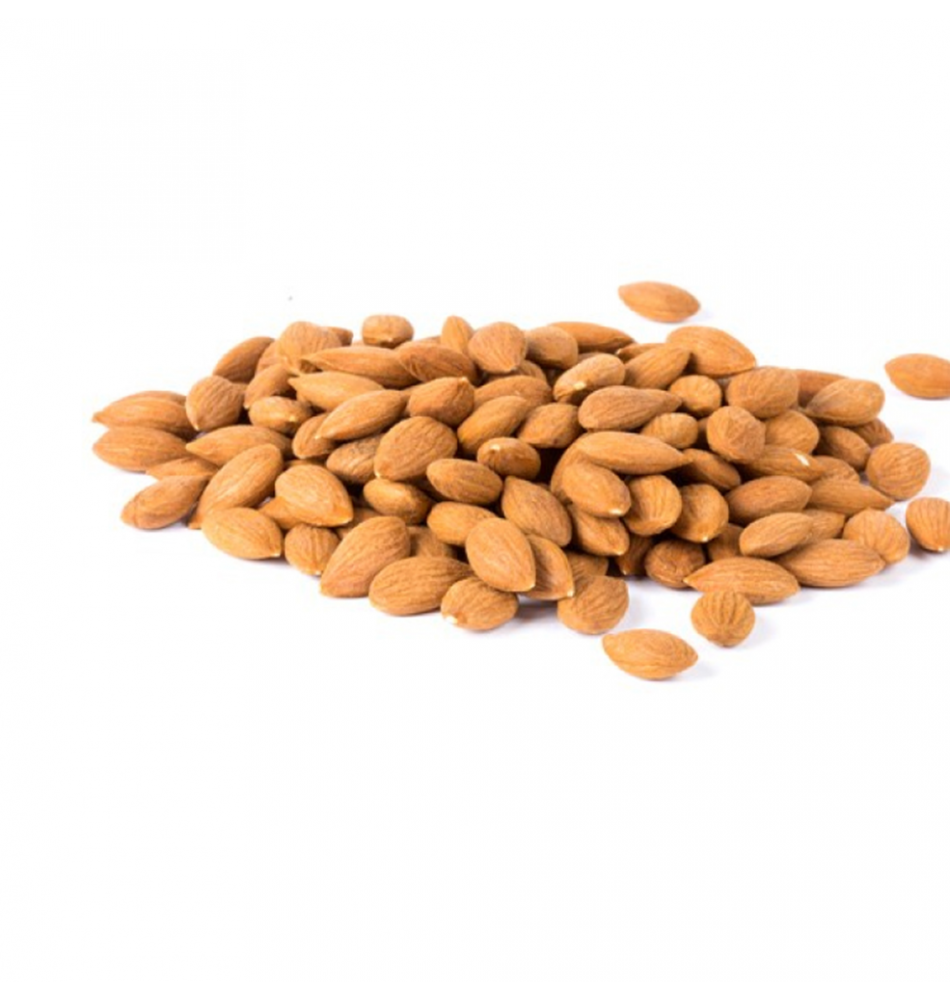
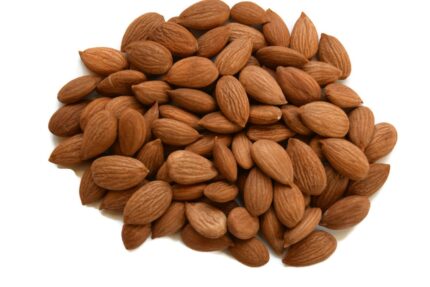
Sweet and bitter kernels are not interchangeable
Apricot kernels naturally contain compounds that can release cyanide, with bitter kernels generally presenting a higher risk. Products intended as food should carry clear labelling and serving guidance.
Use the label as the authority
Do not assume that an apricot kernel is safe to eat freely just because it is sold beside nuts. Check whether it is identified as sweet, processed for food use and accompanied by serving or warning information.
Storage
Like nuts, kernels contain oils that can become stale. Keep them tightly sealed, cool and dry and follow the best-before date. For a related nut, dried-fruit or snack category, explore Turkish Dried Apricots and Dried Fruits.
Frequently asked questions
Are apricot kernels the same as almonds?
No. They look similar but come from apricot stones and have a different composition.
Can bitter apricot kernels be dangerous?
Yes. Bitter kernels can contain higher levels of cyanogenic compounds, so they should not be consumed casually.
What should I check before buying apricot kernels?
Look for clear identification, food-use labelling, serving directions and safety warnings.
How should apricot kernels be stored?
Keep them airtight in a cool, dry place and follow the package guidance.
 Salt & Cooking Essentials