
Showing all 5 results
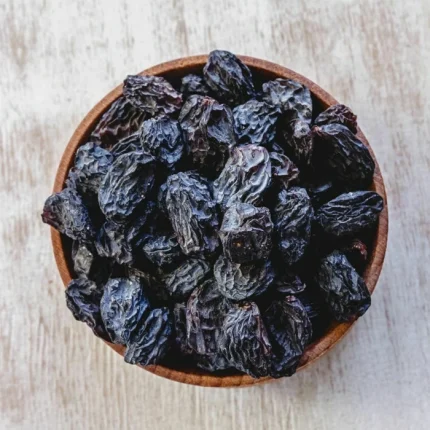
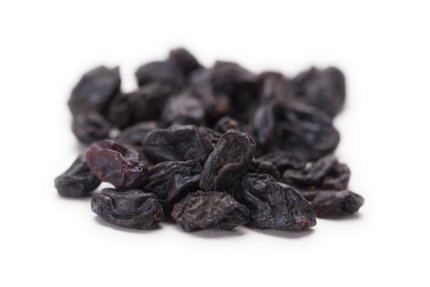
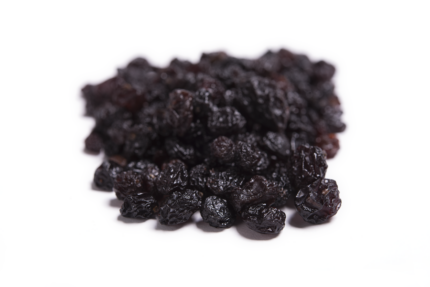
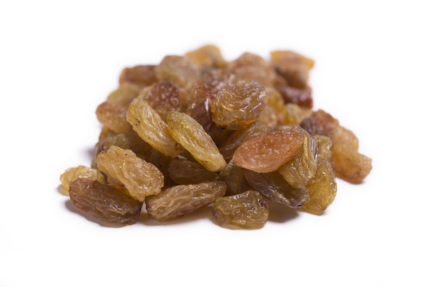
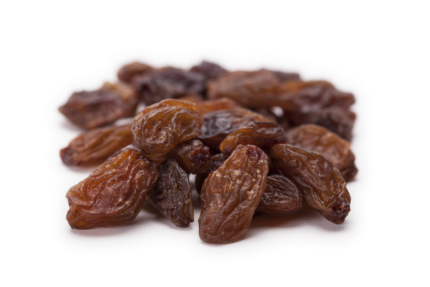
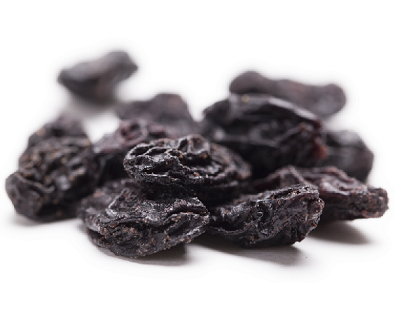
Sultanas and raisins
Sultanas are usually made from light-coloured seedless grapes and have a soft, sweet profile. Dark raisins may come from different grape varieties and can be more intensely flavoured.
Seeded, seedless and currant styles
Seedless raisins are the most convenient for baking and snacking, while seeded varieties offer a more traditional texture. Small currant-style dried grapes are useful in pilaf, bakery foods and stuffing.
How raisins are used in Turkish cooking
Beyond snacking and breakfast, raisins appear in rice and bulgur dishes, dolma fillings, cakes, breads and mixed nuts.
In savoury cooking, raisins are often used for contrast rather than as a dominant sweet ingredient. Small amounts can balance rice, stuffing or nut mixtures with a gentle sweetness that sits behind spices and herbs.
Buying raisins online
Check grape type where stated, seed status, added oil or preservatives, pack size and storage. Keep sealed to prevent drying or moisture pickup. For a related nut, dried-fruit or snack category, explore Dried Fruits and Turkish Breakfast & Pantry.
Frequently asked questions
What is the difference between a sultana and a raisin?
Sultanas are typically light-coloured seedless dried grapes, while 'raisin' is a broader term covering many dried-grape styles.
Are Turkish sultanas seedless?
Many are, but check the product description because seeded raisins are also sold.
How are raisins used in Turkish food?
They are used in snacks, pilaf, dolma fillings, bakery foods, desserts and breakfast mixes.
How should raisins be stored?
Keep them sealed in a cool, dry place.
 Salt & Cooking Essentials