
Showing all 4 results


Why Malatya matters
Malatya is internationally associated with apricot growing and drying, and its name appears frequently in trade and food culture. Origin information helps distinguish regional Turkish fruit from generic dried apricots.
Orange and dark apricots
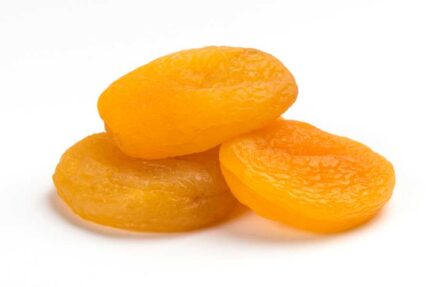
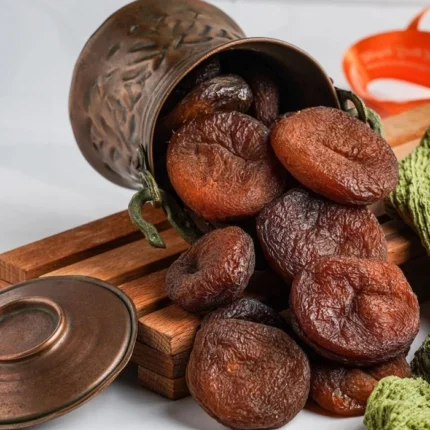
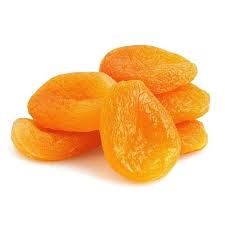
Bright orange apricots are commonly treated with sulphur dioxide to protect colour and shelf life, while unsulphured sun-dried apricots darken naturally and can have a deeper, more caramel-like flavour.
Size and texture
Jumbo grades provide larger pieces, but size alone does not determine quality. Look for supple texture, clean fruit aroma and clear ingredient information.
Very dry apricots can be better for chopping and cooking, while softer fruit is more pleasant for direct snacking. If you are buying several packs, consider how quickly you will use them because opened dried fruit gradually loses moisture.
How to use dried apricots
Eat them as a snack, chop into breakfast or baking, pair with nuts and cheese, or simmer into compotes and savoury dishes. For a related nut, dried-fruit or snack category, explore Dried Fruits, Turkish Apricot Kernels and Turkish Nuts & Dried Fruits.
Frequently asked questions
Why are Turkish dried apricots famous?
Türkiye, especially Malatya, has a major apricot-growing and drying tradition and is strongly associated with the international dried-apricot trade.
What is günkurusu?
Günkurusu refers to naturally sun-dried apricots that darken during drying rather than staying bright orange.
Do dried apricots contain sulphites?
Many bright orange products do, while unsulphured sun-dried styles may not. Check the label.
How should dried apricots be stored?
Keep them sealed in a cool, dry place and follow the package guidance after opening.
 Salt & Cooking Essentials