
Showing all 10 results
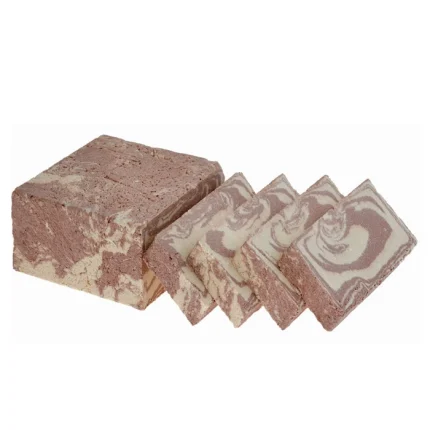

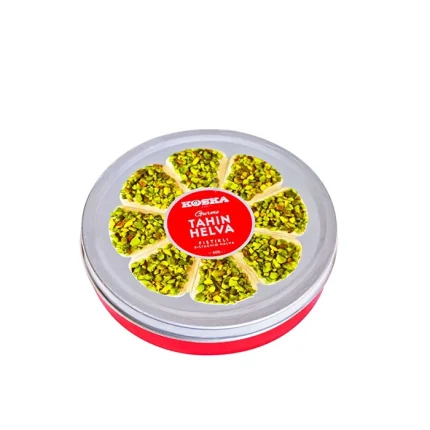
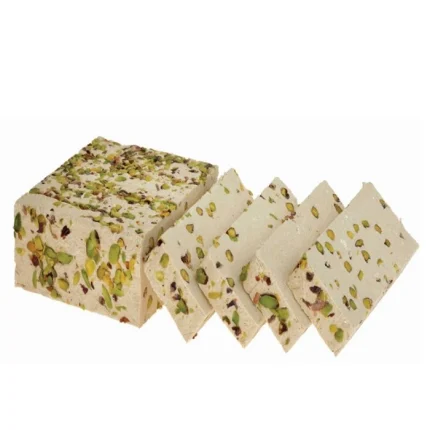
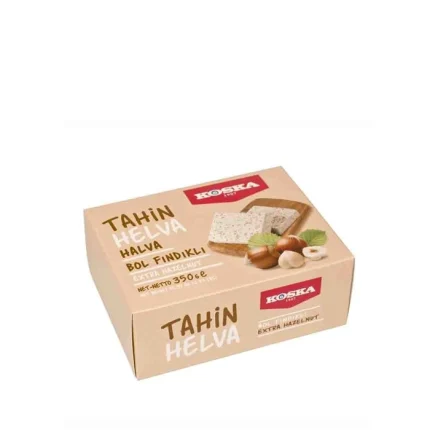
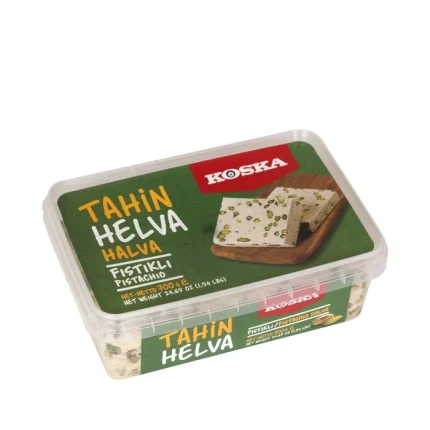
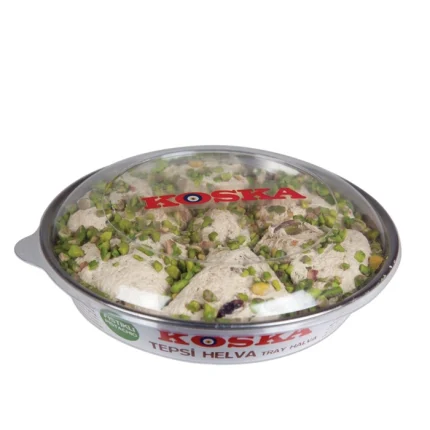
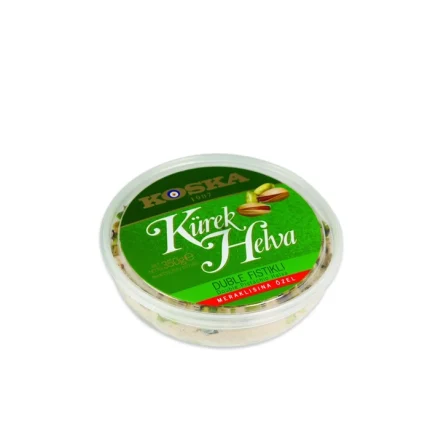
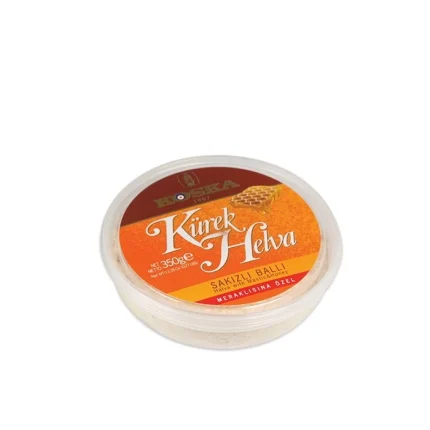
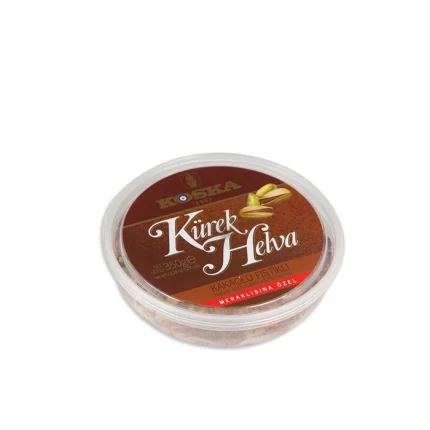
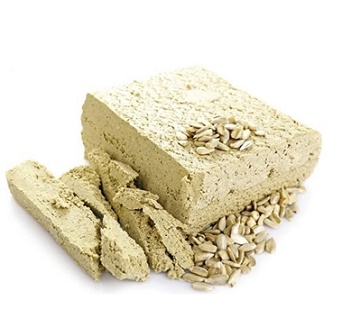
Halva with added flavour and texture
Pistachios add crunch and a distinctive nut flavour, cocoa gives the sesame base a deeper profile, and mastic can bring a resinous aromatic note. Mixed styles may combine more than one of these, so ingredient lists matter more than the product colour or name.
Choose by the base and the additions
Start by confirming that the product is tahini halva, then compare nuts, cocoa, flavouring, sweeteners and serving format. Some products are soft enough to spoon while others are designed to slice cleanly.
Nut-heavy halva usually feels richer and may be easier to serve in smaller slices. Cocoa versions can taste less overtly sweet because of the darker flavour, while mastic has a distinctive aroma that is best chosen intentionally.
Serving mixed halva
Flavoured halva works well as a small dessert, a coffee-side sweet or part of a mixed confectionery table. Because the flavours are richer than plain halva, smaller portions often show the texture and aroma better. For a related Turkish sweet, explore Dragees.
Frequently asked questions
What flavours are common in Turkish halva?
Plain sesame, pistachio and cocoa are common, with mastic, honey and other additions also appearing in some styles.
Is mixed halva still sesame-based?
Many Turkish tahini halvas are, but always confirm the ingredient list because confectionery styles can vary.
How should halva be stored after opening?
Keep it sealed and follow the label. Room-temperature or cool storage is common, but product-specific directions take priority.
What allergens are common in flavoured halva?
Sesame is common, and pistachio or other nuts may also be present. Check the full allergen statement.
 Salt & Cooking Essentials