
Showing 49–51 of 51 results
Turkish Coffee
Turkish coffee is defined as much by its preparation as by the coffee itself. The beans are ground to an exceptionally fine powder, combined with water in a cezve and brewed slowly without filtering the grounds. The result is a small, intense cup with a characteristic layer of foam and sediment that settles at the bottom. If you are exploring the broader drinks tradition, see Turkish Drinks; for another major hospitality ritual, compare it with Turkish Tea.

What makes Turkish coffee different?
Unlike filter coffee, the ground coffee remains in the cup. Unlike espresso, the drink is not made by forcing pressurised water through a compact coffee bed. The extremely fine grind and slow cezve preparation create its distinctive texture and concentrated flavour. Turkish coffee culture and tradition was inscribed on UNESCO’s Representative List of the Intangible Cultural Heritage of Humanity in 2013, recognising the preparation method as well as its social role.
How Turkish coffee is traditionally prepared
For a classic cup, finely ground coffee, room-temperature water and any desired sugar are mixed in the cezve before heating. The coffee is then warmed gently until the foam rises, without allowing it to boil over. It is poured into a small fincan and usually given a short moment for the grounds to settle. Water is often served alongside the coffee. Sugar is traditionally decided before brewing rather than added afterward.
Choosing coffee by roast, flavour and format
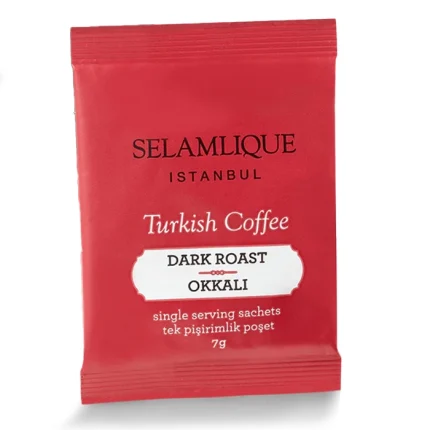
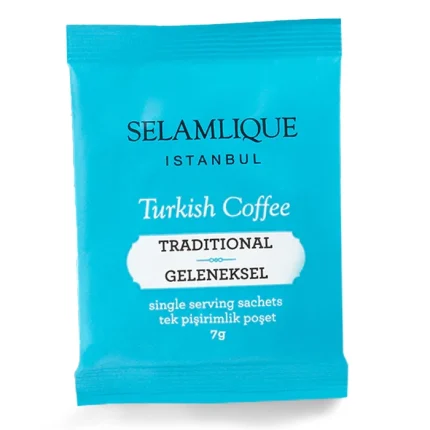
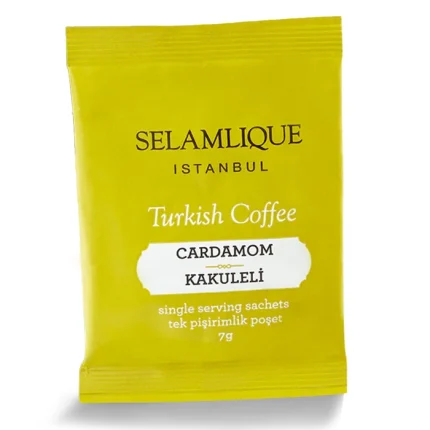
Traditional plain coffee is the reference point, but Turkish coffee can also be found in dark-roast, decaffeinated or flavoured styles such as cardamom, mastic, cinnamon and chocolate. Formats may include tins, bags or pre-portioned sachets. Choose first by roast and flavour, then check grind, pack size and preparation directions rather than assuming every Turkish-style coffee is identical.
Serving Turkish coffee at home
A cezve gives the most recognisable preparation, but the key points are the very fine grind, controlled heating and small serving size. Turkish coffee is often enjoyed after a meal, during conversation or alongside a small sweet. If you prefer a milky winter drink rather than coffee, Turkish Salep offers a very different traditional option.
Frequently asked questions
What is Turkish coffee?
Turkish coffee is a preparation method using coffee ground to a very fine powder, brewed slowly with water in a cezve and served unfiltered in a small cup.
How do you make Turkish coffee in a cezve?
Combine finely ground coffee with room-temperature water and any sugar before heating. Warm it slowly until the foam rises, then pour it into small cups and allow the grounds to settle.
Why are there coffee grounds in Turkish coffee?
The coffee is not filtered after brewing. The extremely fine grounds remain in the cup and settle naturally at the bottom, so the final sediment is normally left undrunk.
What grind should I use for Turkish coffee?
Turkish coffee requires an extremely fine, powder-like grind—finer than a typical espresso grind. A coarser grind changes both the texture and the traditional brewing result.
 Salt & Cooking Essentials