
Showing all 6 results
Propolis & Royal Jelly
Explore propolis and royal jelly as two separate bee products, each with different composition, formats and storage requirements. They are often sold beside honey, but they should be chosen by the exact form and label rather than by the broad idea of “bee products.”

What propolis is
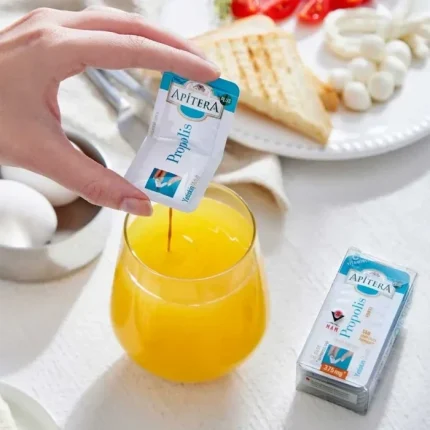
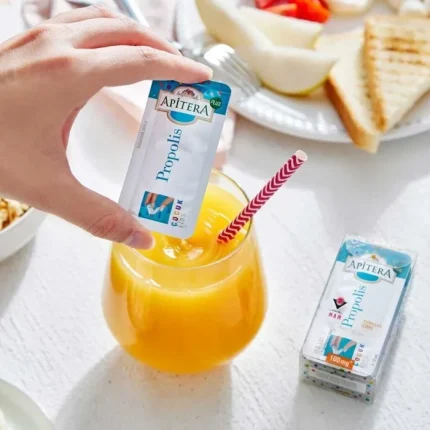
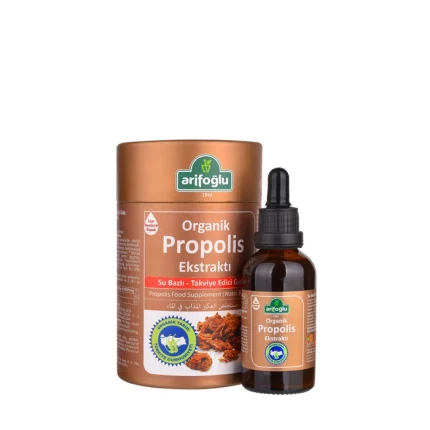
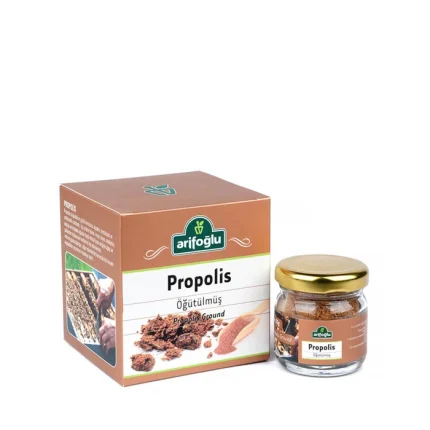
Propolis is a resinous material that bees collect from plant sources and use in the hive. Consumer products can be raw, ground, extracted into liquids or blended into other foods or supplements, so concentration and ingredient lists vary widely.
What royal jelly is
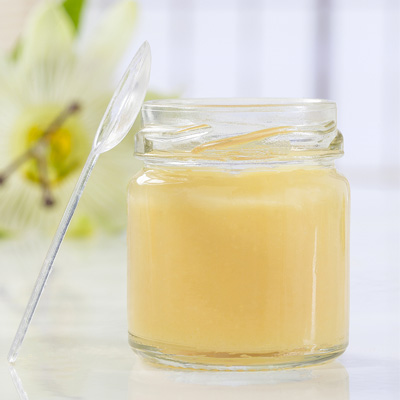
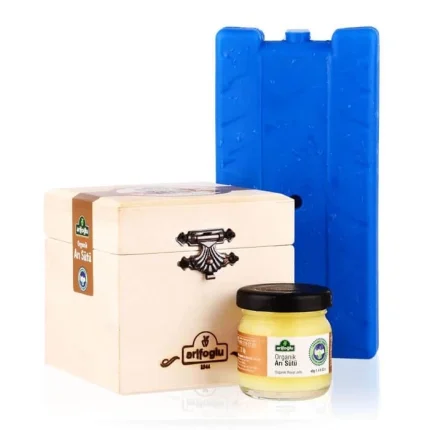
Royal jelly is a secretion produced by worker bees and used as food in the hive. It may be sold fresh, freeze-dried or blended. Fresh formats can require refrigeration, making storage instructions especially important.
How to compare products
For propolis, check extract type, concentration, carrier ingredients and serving directions. For royal jelly, review whether it is fresh or processed, the net amount and temperature requirements. Bee-product allergy warnings should be taken seriously.
International delivery
Some formats ship easily, while fresh royal jelly or liquid extracts may have temperature or courier restrictions. Destination rules can also affect supplement-style bee products.
Frequently asked questions
What is propolis?
Propolis is a resinous material collected and modified by bees and used in the hive; consumer products come in several raw and extracted forms.
What is royal jelly?
Royal jelly is a bee secretion used to feed larvae and the queen in the hive and is sold fresh, dried or in blends.
Does royal jelly need refrigeration?
Fresh royal jelly often does, but storage depends on the exact product, so follow the label.
Who should be cautious with bee products?
People with known allergies to bee products should review warnings carefully and seek professional advice when appropriate.
 Salt & Cooking Essentials